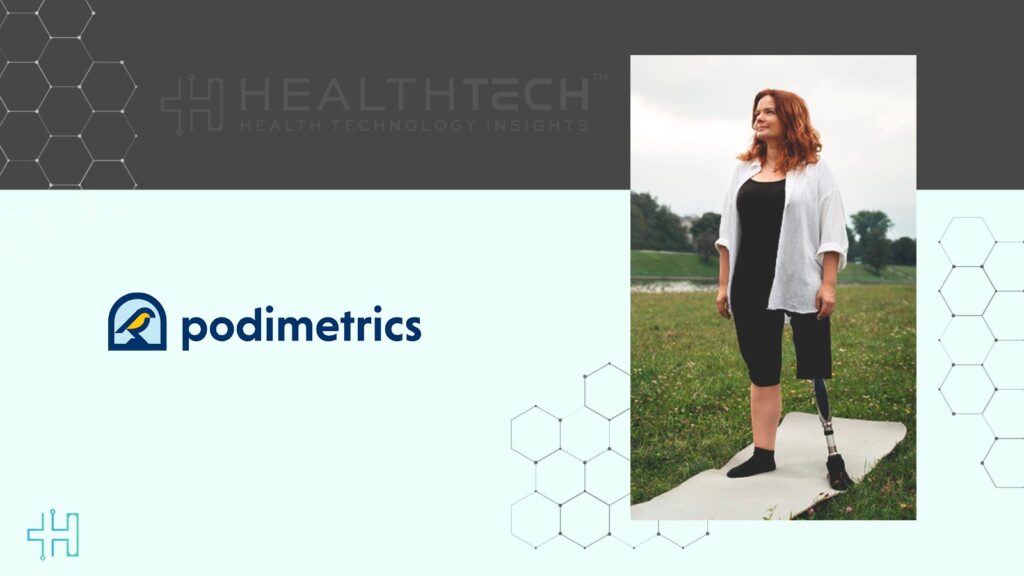
Podimetrics, a leader in advanced diabetes care solutions, has released a new report aimed at preventing diabetic foot ulcers and reducing the risk of related amputations. The report is based on insights from a panel of leading podiatry experts who met at the APMA Annual Meeting in July to discuss the growing burden of diabetic foot ulcers in the United States. The panel highlighted best practices for prevention, including the use of remote temperature monitoring, and offered actionable guidance for healthcare providers, payors, and patients. The report emphasizes the importance of standardized care protocols, the integration of technology, and interdisciplinary collaboration in reducing complications.
Health Technology Insights: Datavant and UBC Partner to Advance Patient Access Research
Diabetic foot ulcers and related amputations present a serious challenge for both patients and the healthcare system. One in four people with diabetes will experience a foot ulcer in their lifetime, and roughly 33 percent of all diabetes-related healthcare spending is devoted to lower extremity complications. Foot ulcers are the leading cause of diabetes-related amputations, yet studies suggest that 75 percent of these ulcers are preventable.
Health Technology Insights: GE Healthcare to Acquire Intelerad for Cloud Imaging Expansion
“Preventing diabetic foot ulcers is not just a clinical challenge it is a public health priority,” said Gary Rothenberg, DPM, Panel Chair, Moderator, and Medical Affairs Director at Podimetrics. He added that the report provides clear recommendations to help the healthcare system reduce these serious complications and avoid life-altering amputations.
The report encourages healthcare organizations to adopt interdisciplinary and patient-centered approaches while ensuring equitable access to preventive care. It also recommends increasing awareness among clinicians, policymakers, and the public to shift from reactive treatment to proactive prevention. Remote temperature monitoring is highlighted as a key tool for early intervention, especially for high-risk patients with a history of ulcers, neuropathy, or peripheral artery disease. Rebecca Burmeister, Chief of Podiatry at the Iowa City VA Region and a panel member, stated that remote temperature monitoring has helped prevent many ulcers and improves patient engagement between appointments.
The panel emphasized that the success of remote monitoring programs should be evaluated not only through clinical outcomes such as fewer ulcer recurrences and reduced healthcare use but also by improvements in patient quality of life, caregiver confidence, technology adoption, and workflow efficiency. The report underscores the need for increased awareness and serves as a practical, evidence-based guide to help clinicians manage patients with diabetes to prevent lower extremity complications.
Health Technology Insights: Sorcero Raises $42.5 Million to Scale Life Sciences AI
To participate in our interviews, please write to our HealthTech Media Room at info@intentamplify.com