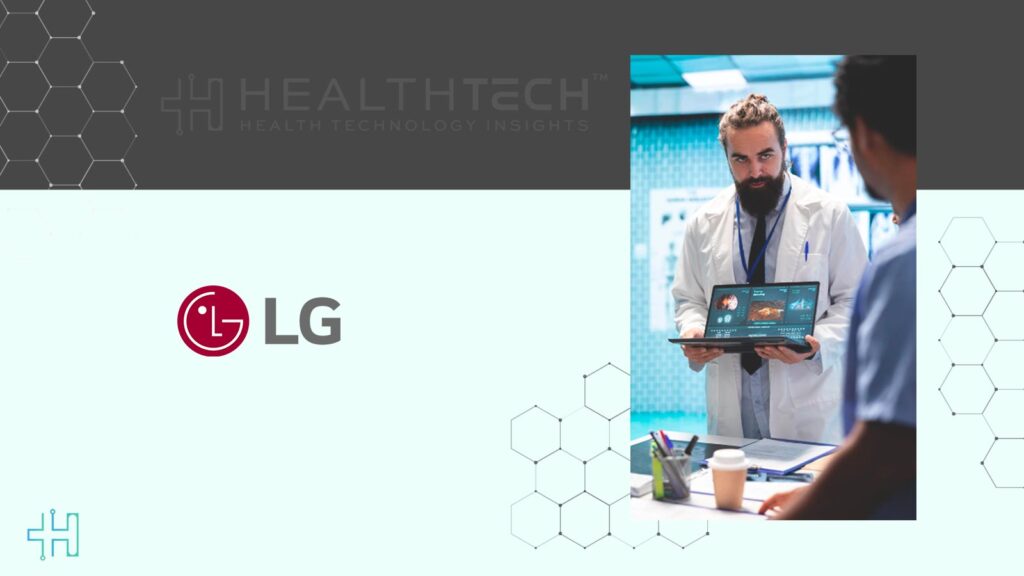
As LG expands its presence in healthcare, the company is developing an array of tools and workstations designed to support clinical workflows and improve the daily tasks of medical professionals. Jim Salamon, national sales leader for LG’s medical division, explained that the company’s innovations are guided by the needs of clinicians, who seek more lifelike color representation in imaging and lightweight displays that can be easily set up for remote or home use.
Health Technology Insights: The Dot Corp Partners with ixlayer to Advance Direct-to-Patient Kitting & Fulfillment for Biopharma
Although LG is widely recognized for consumer electronics such as televisions and home appliances, the company is now positioning itself as a broader solutions provider in healthcare, not merely a vendor of display screens. Salamon highlighted that LG supplies display systems that allow surgeons to obtain a clearer view of operative fields and help radiologists analyze imaging scans with precision. Beyond that, LG offers products that support general clinical workflows, including mobile laptops for radiologists on the move and dedicated nursing station units.
Health Technology Insights: Seegene Establishes French Subsidiary to Expand European Footprint
Salamon emphasized that product development at LG is deeply influenced by feedback from clinicians. In surgical environments, LG has progressed from HD to 4K and now mini-LED displays while expanding gamma and color ranges. This effort addresses the requests from clinicians for higher resolution and more accurate color reproduction that closely reflects what the human eye perceives inside the body, allowing for better visualization during procedures.
Another factor driving LG’s healthcare innovation is the growing demand for flexibility among radiologists. Many radiologists now split their work across multiple hospitals or prefer remote reading options. Salamon noted that some hospitals operate on different PACS systems, which can complicate workflows. In response, LG has developed workstations capable of handling multiple systems on a single diagnostic display. These systems are designed to be lightweight, promoting mobility and enabling radiologists to work efficiently from home or alternative locations.
According to Salamon, LG’s competitive advantages in the increasingly crowded digital health market are cost efficiency and integration. Because the company manufactures its own panels, it can offer hospitals savings of 20 to 30 percent compared to other vendors. This is particularly significant for healthcare institutions that must replace large numbers of workstations on a regular cycle. Additionally, LG ensures its products are IT-agnostic, designed to integrate with existing hospital systems rather than imposing proprietary requirements, which makes adoption smoother for healthcare providers.
Looking ahead, LG intends to continue exploring technologies that address the evolving needs of clinicians. Some prototypes currently in development include curved display monitors tailored to radiologist feedback and 3D imaging tools aimed at enhancing diagnostic accuracy. While it remains to be seen how these innovations will impact daily clinical practice or patient outcomes, Salamon stressed that the company prioritizes listening to clinicians and quickly incorporating their input to create meaningful technology solutions.
Through this approach, LG aims to combine high-quality imaging, workflow efficiency, and cost-effective solutions to make a tangible difference for medical professionals. Salamon concluded that understanding the challenges clinicians face and adapting technologies to meet those challenges is central to LG’s strategy in healthcare, ensuring that its tools not only support but enhance modern clinical practice.
Health Technology Insights: B. Braun Launches Piperacillin-Tazobactam in DUPLEX System
To participate in our interviews, please write to our HealthTech Media Room at info@intentamplify.com