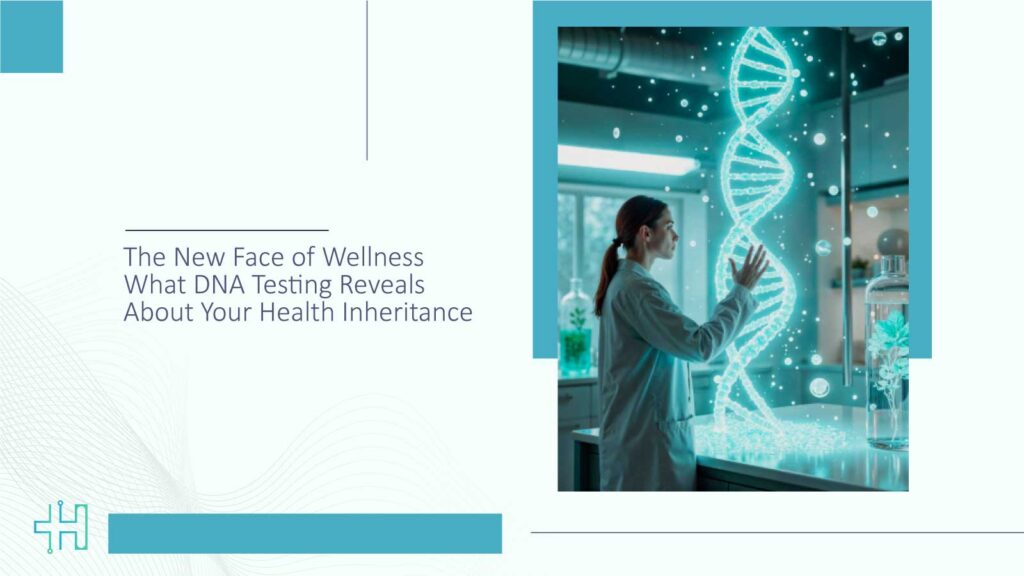
Genetic intelligence is becoming a core pillar of preventive health. Organizations that act on these insights now are shaping a more personalized future for wellness. Across the U.S., people want health guidance that feels clear, relevant, and rooted in their biology. They want to understand why their bodies respond a certain way and how inherited traits shape long-term well-being. This curiosity is driving a surge in interest around DNA testing, a tool that brings science closer to everyday decisions.
It gives individuals a clearer view of themselves and helps leaders design wellness programs that feel credible and precise. It signals a future where prevention feels more intuitive and more connected to the person behind the data.
Why Genetic Insights Matter in Modern Wellness
Health was once shaped by broad advice. Eat this. Avoid that. Exercise more. It worked for some. It confused others. Genetic data changes this pattern. It helps people understand why their sleep is light, why their skin reacts to the sun, or why some nutrients work better for them. These are not abstract findings. They influence day-to-day decisions.
A 2024 report from the National Institutes of Health found that personalized prevention programs based on genetics improved adherence by up to 27 percent because people felt the plan reflected their unique biology.
Tech innovators see the same trend. Panels that decode hundreds of health markers are mainstream across the U.S., from hospital-led genomics clinics to digital wellness apps backed by clinical research. The shift is driven by one simple fact: people act differently when the insight feels uniquely theirs.
Health Inheritance Explained for Today’s Consumer
Most consumers understand the idea of traits passed down through generations. What they want is clarity about what those traits mean for their future. Genetic interpretation helps with that. Reports now explain patterns in metabolism, cardiac risks, hormonal responses, immune tendencies, and aging pathways in a way people can use in real life.
Consumer-friendly apps present complex data in simple language. This shift is widening access and reducing the fear many had around genetic terms.
How U.S. Health Leaders Use Genetic Wellness Data
1. Integrating Genetic Panels into Care Plans
Several health systems now use polygenic risk scores to help clinicians guide lifestyle plans. With patient consent, these scores indicate tendencies toward conditions such as type 2 diabetes or heart disease. They give providers a head start for coaching and prevention.
For instance, the Mayo Clinic’s Center for Individualized Medicine shared results from a 2023 cohort that showed genetically guided care plans helped detect metabolic conditions earlier than standard models.
2. Strengthening Preventive Screening Programs
U.S. employers and payers are embracing genetics-driven wellness. When backed by clinical oversight, these tools help design tailored mental health, nutrition, and fitness programs.
Blue Cross Blue Shield released a 2024 insight brief noting the rising interest in gene-informed wellness because members feel more engaged when their plan feels personalized.
3. Fueling Innovation Across Digital Health Platforms
Digital health platforms now combine genetic data with wearables. This creates a continuous health narrative. It helps people connect their lifestyle patterns with inherited tendencies.
Companies building these hybrid models have seen fast adoption. A 2024 Accenture Digital Health study reported that more than 45 percent of U.S. consumers prefer health apps that combine multiple data sources, such as sleep, nutrition, genomics, and lab results.
What DNA Testing Reveals About Your Health Inheritance
Metabolism and Nutrient Response
Genetic markers reveal how the body absorbs micronutrients. The American Society for Nutrition published evidence that people with certain variants may need higher levels of vitamin D or omega-3 for optimal function.
This helps nutritionists create plans that reflect the body’s natural tendencies.
Heart Health and Circulatory Traits
Genes linked to cholesterol transport or blood vessel elasticity guide cardiac care. A 2023 study in the Journal of the American College of Cardiology noted that genetic screening supports earlier lifestyle interventions and improved long-term outcomes.
Hormonal and Stress Pathways
Some people feel stress more intensely. Others recover faster. Genetic markers tied to cortisol regulation explain these differences. When individuals understand their baseline, they can use the insight to shape their daily habits.
Sleep and Cognitive Patterns
Genes influence circadian rhythm. They influence how the brain responds to caffeine. They influence how people focus throughout the day. Leaders in the cognitive health space see this field expanding fast, with apps that combine genetic traits with neurobehavioral tools.
Skin Aging and Sun Response
Genes that control collagen formation affect elasticity. Variants influence pigmentation and UV sensitivity. Dermatology groups in the U.S. now use genetic kits to guide customized skincare plans supported by clinical evidence.
Fitness and Performance Traits
Markers related to muscle fiber type and oxygen utilization help design personalized training programs. Fitness tech platforms use these traits to recommend balanced routines rather than generic exercise advice.
Ethical Stewardship in the Age of Genetic Wellness
Respect for privacy remains essential. U.S. consumers expect clear consent, transparent data use, and strong encryption. Many healthtech leaders model their protocols around the Genetic Information Nondiscrimination Act to maintain trust.
Dr. Francis Collins, former director of the NIH, emphasized in several 2024 interviews that genetic data must be treated as one of the most sensitive forms of health information. His stance remains influential across healthcare and digital wellness ecosystems.
Companies that lead with transparency earn stronger engagement. They invest in consent education and create tools that let people decide how their data is used. This builds confidence and fosters long-term participation.
Real-World Example from the U.S. Wellness Market
In 2024, a major integrative wellness clinic in California introduced a genomic lite program for first-time patients. The program combined a small genetic panel with a lifestyle review. Within six months, the clinic reported higher patient adherence to nutrition plans and saw better follow-through on sleep routines.
They attributed this to the clarity people felt when linking inherited traits with daily habits. The outcome aligned with broader national research.
The success demonstrates how genetic insights empower individuals without overwhelming them with complexity.
Why DNA Testing Is Becoming a Wellness Standard
People want guidance that feels personal. They want tools that help them navigate fast-paced lives. They want visibility into their unique biology. DNA testing supports this need. It turns inherited traits into actionable insights. It strengthens preventive care. It connects healthtech innovations with real human experiences.
For leaders shaping the future of wellness, genetic intelligence offers a foundation for solutions that resonate with modern consumers.
Looking Ahead: The Future of Wellness and Precision Insight
The next decade points toward deeper integration of genetic data with real-time health signals. Wearables will capture daily patterns. Apps will translate them. Clinical teams will use them to guide early prevention.
U.S. researchers predict that wellness ecosystems will soon combine genetic data with social and environmental factors to deliver richer insights. The aim is to help individuals understand themselves better and act with clarity. DNA testing will remain central in this shift as consumers embrace personalized wellness with confidence.
Wellness is no longer a broad template. It is a living experience built on personal insight. If your organization operates in the healthtech space, this is a trend worth embracing with intention.
FAQs
1. How accurate are consumer-grade genetic reports?
Accuracy varies by provider. Panels backed by clinical labs and peer-reviewed validation tend to offer more reliable results. It helps to choose platforms that publish their scientific references.
2. Can genetic data help with nutrition planning?
Yes. Genetic variants can influence nutrient absorption and metabolism. Dietitians use these insights to shape plans that reflect individual needs.
3. Is DNA data secure with current U.S. wellness platforms?
Most reputable companies follow strict privacy rules and use strong encryption. It is helpful to review their consent and data use policies before enrolling.
4. Does DNA testing replace medical advice?
No. Genetic insights guide wellness decisions. Medical advice comes from clinicians who interpret those insights alongside lab results and medical history.
5. Can genetic insights support mental well-being?
Some markers relate to stress response and mood regulation. These insights can support well-being plans. They work best when integrated with lifestyle data and professional guidance.
Dive deeper into the future of healthcare. Keep reading on Health Technology Insights.
To participate in our interviews, please write to our HealthTech Media Room at info@intentamplify.com